Lymphatic Drainage Travel Hacks for Jet Setters
Lymphatic drainage, the unsung hero of a pleasant trip through international airports, is an important aspect of helping to eliminate unwanted trash after long flights. Most of us are familiar with this phenomenon after a lengthy travels; when we get off the plane and notice our luggage looks like it’s just been molded into a larger than normal suitcase or carry-on due to bloating from an extended flight. Although glamorous, travel in photos often comes along with the realities of stiff legs, swollen ankles, and having an eerily hybrid of being both worn out and overly energized.
So, let’s explore what happens to your body while traveling and how to trick your body into staying healthy without turning your travels into some sort of healthy boot camp.
Your Lymphatic System Is Not a Frequent Flyer
Your heart has a pump. Your lungs have a rhythm. Your digestive system has a schedule. Your lymphatic system, however, relies heavily on movement. It depends on you walking, stretching, breathing deeply, and generally behaving like a human who does not sit in seat 22B for six consecutive hours.
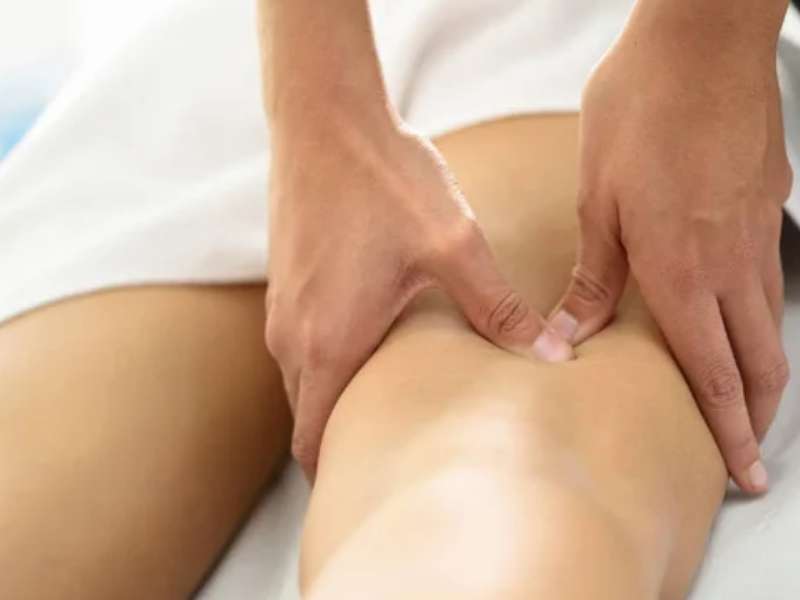
When you are still for long periods, fluid can collect in the lower body. Gravity is not sentimental. It does not care that you paid extra for legroom. The result can be swelling, heaviness, and that familiar feeling of tight shoes at baggage claim.
The good news is that your body responds quickly to small changes. A few calf raises while waiting to board. Gentle ankle circles mid flight. Standing up every hour, even if it is just to visit the back of the plane and pretend to stretch thoughtfully. These micro movements support circulation and help keep everything flowing as it should.
The Real Reason Your Ankles Look Dramatic
Let us address the elephant in the departure lounge.
Why do your ankles sometimes look like they have been inflated by cabin pressure?